
A North Florida dog’s guide to the changing season
My name is Bubba.
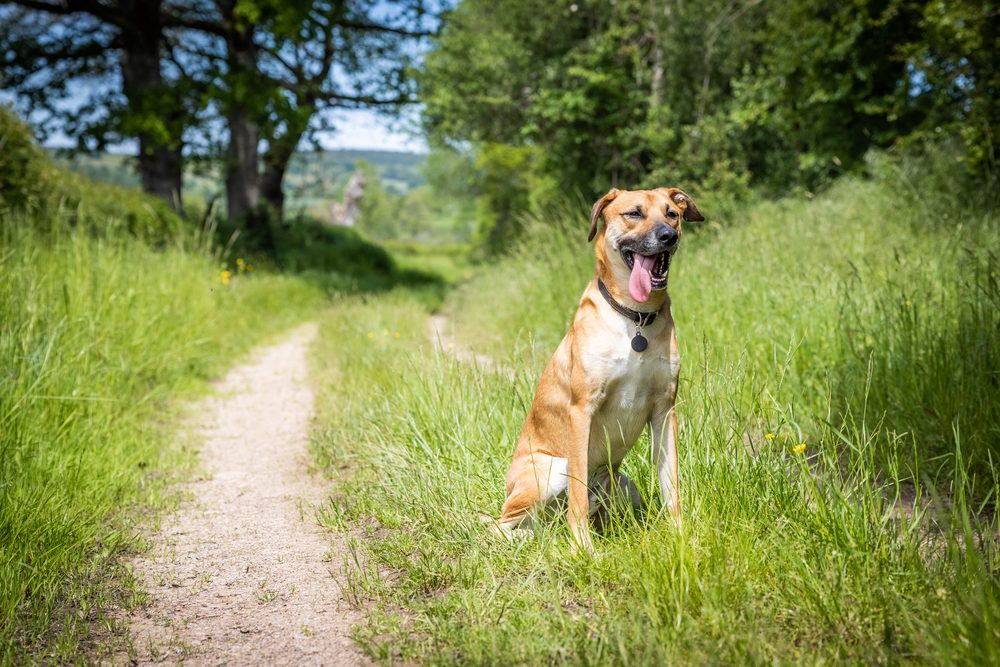
I am a five-year-old Black Mouth Cur mix, although my family insists there is probably a little bit of everything in me. Personally, I prefer to think of myself as a highly skilled outdoor professional.
I inspect the fence line. I monitor the squirrels. I investigate suspicious noises in the bushes. And, most importantly, I make sure nothing interesting happens in my yard without me knowing about it.
So I would like to report that something has changed.
I noticed it before my people did.
The mornings smell different. The air feels different. The sun doesn’t seem quite as angry.
And suddenly, my people are opening the door and saying, “It actually feels nice outside today!”
Finally. They are beginning to understand.
Fall smells different.
My family thinks I spend half my day sniffing the same patch of grass.
They’re wrong.
I am gathering information.
Dogs experience the world through scent in ways we humans can’t really appreciate. Changes in temperature, humidity, plants, soil and wildlife activity can create an entirely different sensory landscape.
What looks like the same backyard to my humans may smell completely different to me.
Naturally, I need to investigate.
And that’s a good thing. Sniffing, exploring and spending time outdoors are important forms of enrichment for dogs. Just remember that curiosity can sometimes lead us straight into trouble—especially when something small, furry or slithering catches our attention.
There are suddenly a LOT of things moving around.
Fall means more outdoor time for many North Florida families, and that can mean more wildlife encounters, too.
Dogs exploring fields, woods and backyards may come across snakes, frogs, rodents, insects and other wildlife. Some encounters are harmless. Others can result in bites, stings or injuries.
And if your dog is anything like me, being told “Don’t go over there” is basically an invitation to find out what’s over there.
Keep an eye on where your dog is exploring, especially in areas with tall grass, brush or other places wildlife likes to hide.
And no, the bugs did not leave.
I know what you’re thinking.
It’s fall. Surely the fleas and ticks have packed their little suitcases and headed south for the winter.
Unfortunately, this is Florida.
Our mild climate means fleas and ticks can remain a concern throughout much of the year. Fall is not necessarily the time to stop thinking about parasite prevention—especially if your pet spends time outdoors.
If you’re unsure whether your pet’s current flea, tick or heartworm prevention is still appropriate, this is a great time to talk with your veterinary team.
Personally, I would much rather spend my time chasing squirrels than chasing fleas.
Cooler weather makes me want to RUN.
After months of Florida heat, those first cooler mornings can make even a relatively lazy dog feel like an athlete.
This is wonderful.
It can also mean we overdo it.
If your pet has been less active during the hottest part of summer, gradually increasing activity is a good idea. Longer walks, outdoor play and weekend adventures are much easier to enjoy when your pet has had time to build back up to them.
And remember: a cooler morning doesn’t necessarily mean a cool afternoon. Florida is still Florida.
Fall means adventures.
For many North Florida families, fall means getting outside again—walking trails, camping, hunting, spending time at the farm, heading to the river or simply letting the dogs enjoy more time outdoors.
Before heading out, take a minute to make sure your pet is ready.
Check their identification. Make sure vaccinations and parasite prevention are current. Bring fresh water. And pay attention to your pet’s behavior throughout the day.
Your dog may be having the time of their life, but that doesn’t mean they know when it’s time to take a break.
That’s one of the jobs humans are for.
Your pet notices more than you think.
The cooler mornings and changing smells are obvious to us once we stop to think about them. But your dog notices so much more.
They notice different animals moving through the yard. They notice changes in your routine. They notice when you’re spending more time outside with them.
And they notice changes in themselves, too.
Maybe they’re scratching more. Licking their paws. Slowing down on walks. Drinking more water. Having trouble getting comfortable or getting up after resting.
Our pets can’t tell us exactly what hurts or when something doesn’t feel right. Instead, they communicate through behavior.
Sometimes we just have to learn how to listen.
Personally, I think fall is excellent.
There are new smells to investigate, squirrels to monitor, fields to explore and adventures to supervise.
And, best of all, there are considerably fewer opportunities for my humans to say, “It’s too hot outside.”
I have a busy season ahead of me.
But before we head out on our next adventure, I have one request:
Check my collar. Make sure my identification is current. Make sure my preventatives are up to date. And if my humans have been saying, “We really need to schedule his wellness visit,” for the last three months…
Maybe go ahead and do that, too.
I have a lot of important things to inspect this fall.
Someone has to check all those leaves.
— Bubba