
Before you share your holiday leftovers, here’s what every pet parent should know.
Thanksgiving is one of those holidays that revolves around food. The turkey is in the oven, the sides are covering every available inch of counter space, and someone is inevitably sneaking a bite before dinner is even served.
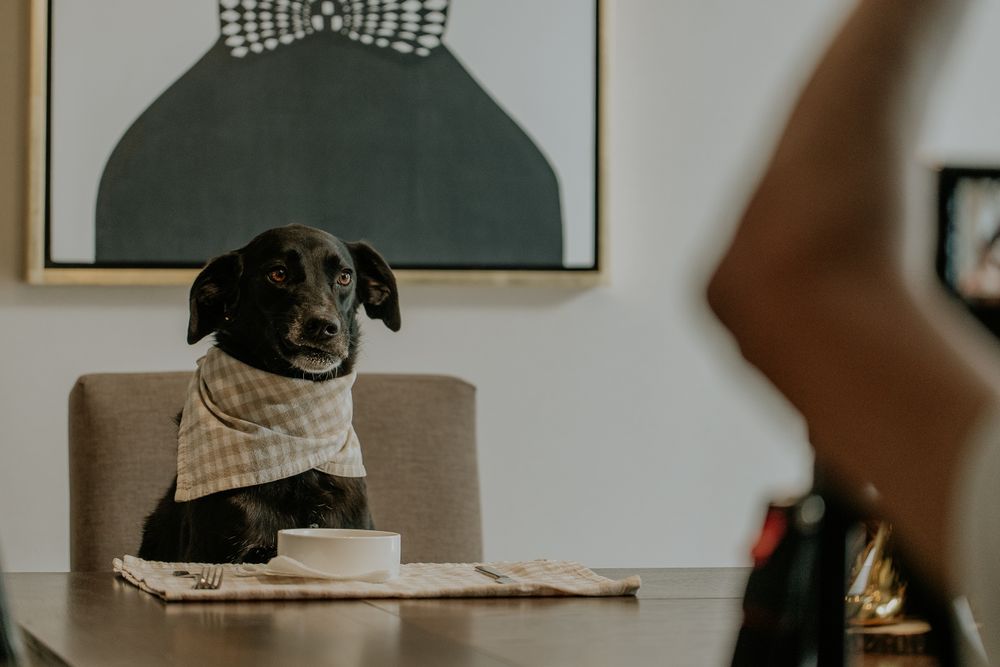
And if you have pets, you probably know exactly where they’ll be spending most of the afternoon.
Right under the table.
Between the delicious smells, dropped crumbs, and generous family members who just can’t resist those begging eyes, Thanksgiving can be a particularly tempting time for our four-legged family members. Unfortunately, some of our favorite holiday foods can turn into an unexpected veterinary emergency.
So before you start handing out samples from your Thanksgiving plate, let’s talk about what’s safe, what’s not, and how to keep the holiday enjoyable for everyone.
The Turkey Question
Let’s start with the star of the show.
Plain, fully cooked turkey meat can be an acceptable occasional treat for dogs and cats. A small amount of boneless, skinless, unseasoned white meat is generally the safest option.
The problem is everything else.
Turkey skin is often loaded with butter, oils, and seasonings. Gravy can contain onions, garlic, and other ingredients that aren’t appropriate for pets. And cooked turkey bones are particularly dangerous because they can splinter, potentially causing choking, intestinal obstruction, or injury to the digestive tract.
That means no turkey carcasses, no leftover drumsticks, and definitely no opportunity to investigate the trash after dinner.
Some Holiday Favorites Are Better Left on the Table
Not every Thanksgiving side dish is pet-friendly. In fact, some seemingly harmless foods can be surprisingly dangerous.
Stuffing is a good example. Onions, garlic, scallions, and other members of the allium family can damage red blood cells in both dogs and cats. Even when cooked, these ingredients can be harmful.
Grapes and raisins are another major concern. They can cause serious kidney injury in dogs, and the amount that causes toxicity can vary considerably.
Chocolate desserts, sugar-free treats containing xylitol, alcoholic beverages, and raw yeast dough also belong firmly on the no-sharing list.
And while mashed potatoes, casseroles, and macaroni and cheese may seem harmless, their high fat content, dairy, butter, seasonings, and added ingredients can cause digestive upset or something much more serious.
What Can They Enjoy?
The good news is that your pet doesn’t have to feel completely left out of the festivities.
A few simple, properly prepared foods can make a nice holiday treat.
Plain cooked turkey, unseasoned green beans, plain sweet potato, and plain pumpkin (not pumpkin pie filling) can be appropriate options for many healthy dogs and cats when offered in small amounts.
The important part is keeping things simple. No butter, salt, gravy, seasoning blends, marshmallows, or added sugars.
Remember, treats should remain a small part of your pet’s overall diet. A holiday meal doesn’t need to become a second Thanksgiving dinner for your dog.
The Food Isn’t the Only Thing to Watch
Thanksgiving brings more than food into the house. It often means extra guests, open doors, decorations, and a lot more activity than your pets are accustomed to.
For some animals, that’s exciting. For others, it’s overwhelming.
Frequent trips through the front door create opportunities for pets to slip outside unnoticed. Make sure identification tags and microchip information are current, and consider keeping pets in a comfortable, quiet area if the household gets particularly busy.
Keep trash secured, too. Turkey bones, food wrappers, discarded skewers, and leftovers can become irresistible targets for curious pets.
And don’t forget about guests who may not know your household rules. A friendly reminder that your pets have their own food and treats can prevent well-intentioned family members from sharing something they shouldn’t.
When Holiday Indulgence Becomes an Emergency
Even with the best intentions, accidents happen.
If your pet gets into something potentially toxic, don’t wait for symptoms to appear. Contact your veterinarian promptly for guidance. Depending on what was eaten, how much was consumed, and your pet’s size, waiting can make a significant difference.
Vomiting, diarrhea, excessive drooling, lethargy, abdominal discomfort, tremors, and changes in behavior are all reasons to pay attention. If your pet is showing concerning symptoms, seek veterinary care.
Never attempt to induce vomiting or administer home remedies unless specifically instructed by a veterinary professional.
A Little Preparation Goes a Long Way
Thanksgiving should be about spending time with the people (and pets) who make life special. With a little preparation, there’s no reason your pets can’t enjoy the holiday right alongside everyone else.
Set aside a few pet-safe treats, keep the dinner scraps out of reach, secure the trash, and make sure everyone in the household knows the rules.
Your dog might still give you that look when the turkey comes out of the oven. Your cat might still attempt a counter inspection when nobody is watching.
But keeping them safe is one holiday tradition worth sticking to.
Have questions about keeping your pet safe this holiday? Book a visit with our team.
From all of us at Caring Hands Animal Hospital, we wish you and your two-legged and four-legged family members a happy, healthy Thanksgiving!